
The Digital Crossroads: Middle East Caught in the U.S.-China Tech Standoff
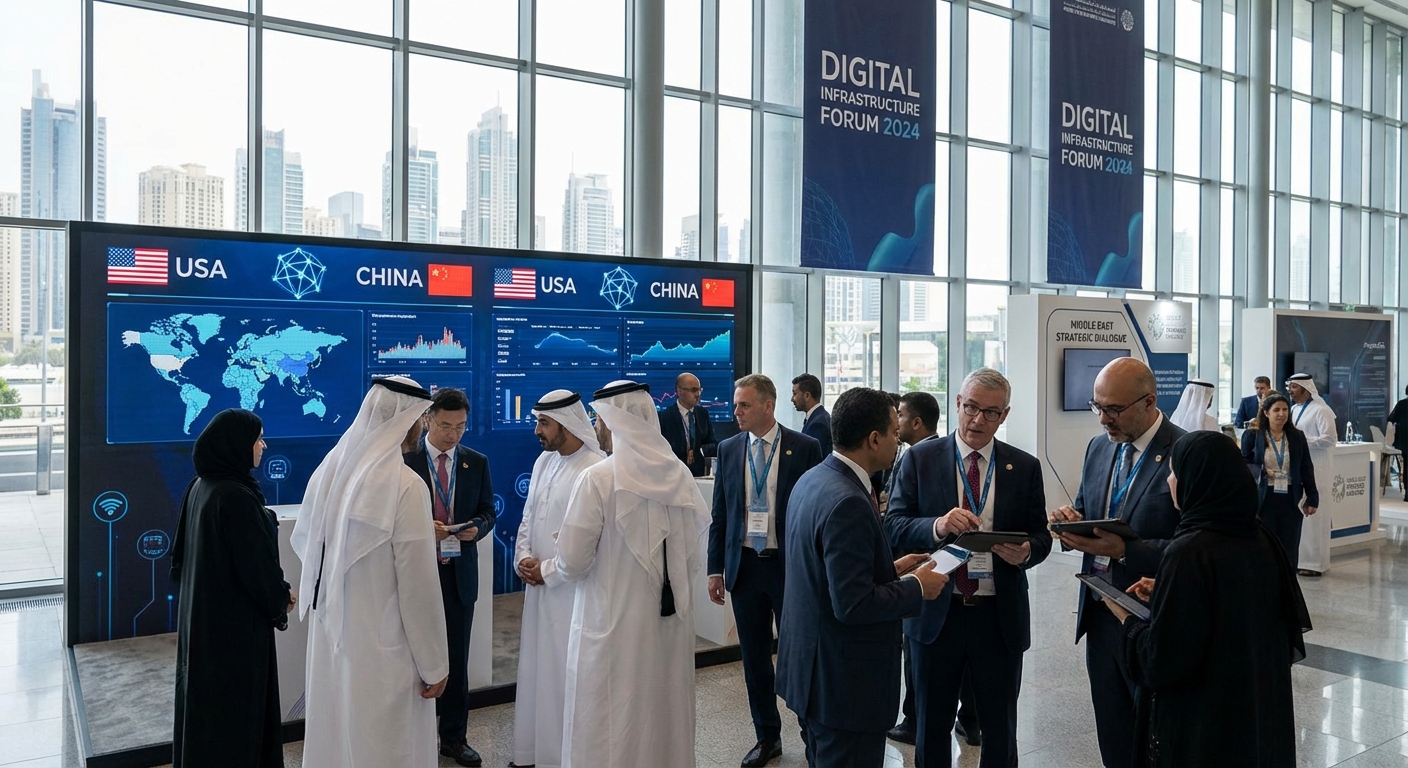
Imagem meramente ilustrativa, criada por I.A.
A New Geopolitical Fault Line
The global competition between the United States and China is increasingly being fought not on traditional battlefields, but across digital infrastructure, semiconductor supply chains, and artificial intelligence development. This escalating 'tech cold war' has created a new geopolitical fault line, forcing nations worldwide to make critical choices about their technological partners and digital ecosystems. For the Middle East, a region undergoing rapid economic and digital transformation, the stakes are exceptionally high.
The Strategic Balancing Act
Countries in the region find themselves at a crucial intersection. On one hand, the United States remains a primary security partner for many, offering access to its powerful tech sector and pressuring allies to avoid Chinese technology on security grounds. On the other, China presents itself as a key economic partner, offering significant investments, cost-effective 5G infrastructure, and advanced smart city solutions as part of its Digital Silk Road initiative.
This dynamic forces regional leaders into a complex act of navigation. Embracing technology from one superpower risks alienating the other, with significant economic and diplomatic consequences. The challenge is to leverage opportunities from both Washington and Beijing without becoming overly dependent on either, all while safeguarding national sovereignty and security in an increasingly polarized digital landscape.
Defining the Future
The decisions being made today in Riyadh, Abu Dhabi, and other regional capitals will have lasting implications. The core dilemma touches upon several critical areas:
- Infrastructure Allegiance: Choosing between vendors like China's Huawei for 5G rollout versus Western-backed alternatives directly impacts national communication backbones.
- Economic Diversification: Ambitious national visions for post-oil economies rely heavily on technological innovation, making partnerships with both U.S. and Chinese firms highly attractive.
- Data Governance and Standards: Aligning with either the U.S. or Chinese model for data flows and digital standards will determine the future architecture of the region's internet and digital economy.
Ultimately, the ability of Middle Eastern nations to successfully navigate this U.S.-China tech cold war is becoming a central test of their statecraft. It is a strategic challenge that will define not only their technological advancement but also their place in the emerging global order.