
Cross-State Abortion Access Faces New Legal Test as Texas Sues Delaware Provider
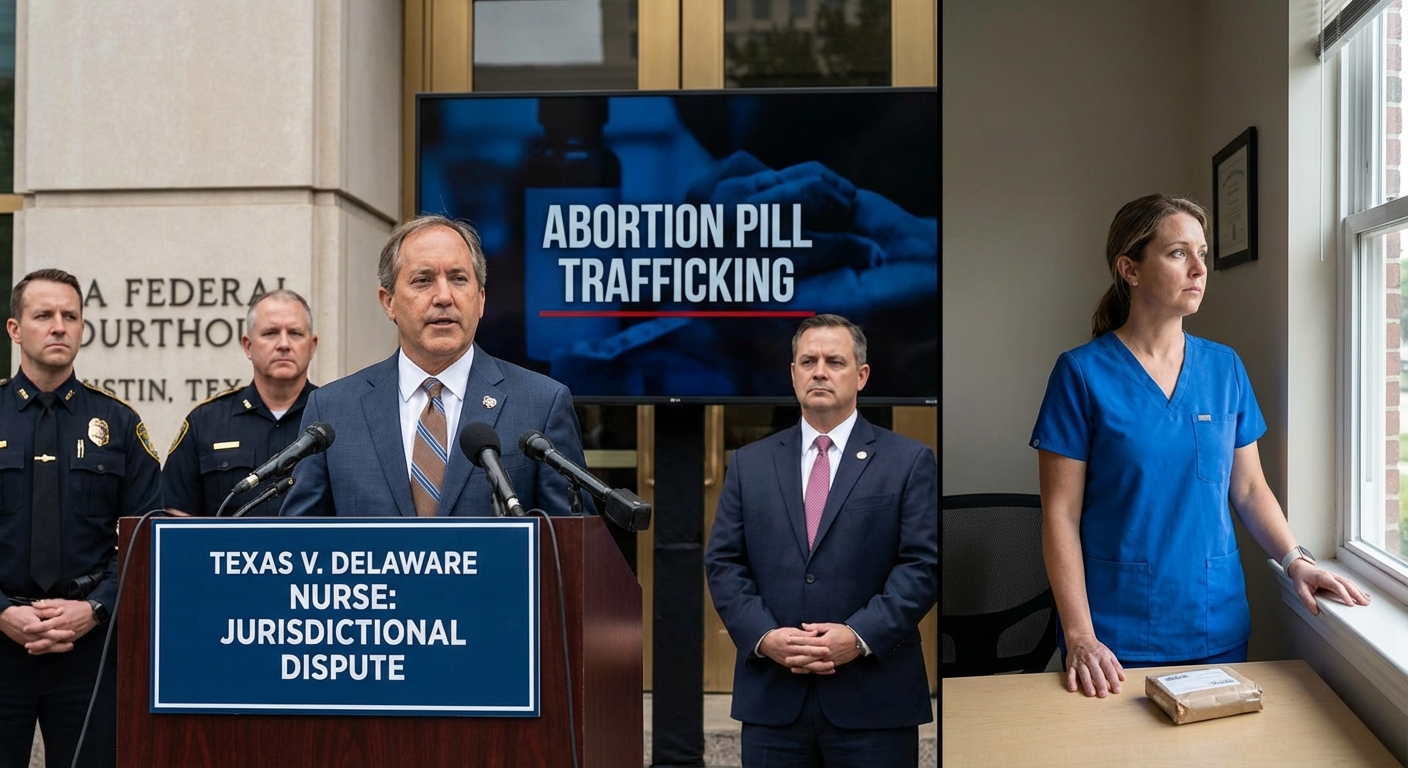
Imagem meramente ilustrativa, criada por I.A.
In a significant legal maneuver, the state of Texas has initiated a lawsuit against a nurse practitioner based in Delaware, alleging the provider unlawfully mailed abortion-inducing medication to a Texas resident. This action marks the latest and one of the most direct challenges in the escalating legal conflict between states enforcing strict abortion bans and those that have enacted laws to protect abortion access and providers.
A Test of Jurisdiction and State Sovereignty
The lawsuit cuts to the heart of a complex legal question in the post-Roe v. Wade landscape: Can a state's laws reach across its borders to penalize a medical professional who is legally practicing in another state? The case sets up a direct confrontation between Texas's near-total ban on abortion and the legal shields established in states like Delaware, which are designed to protect their healthcare providers from out-of-state legal actions related to reproductive care.
This legal challenge is not an isolated incident but rather a key development in a broader strategy by states with restrictive laws. The core of the issue revolves around whether a provider's actions, conducted legally within a state that supports abortion rights, can be prosecuted by a state where those same actions are illegal. The outcome could have profound implications for the principles of state sovereignty and the regulation of interstate healthcare.
Implications for Telehealth and Medical Access
Beyond the immediate subject of abortion, this case casts a long shadow over the future of telemedicine. The ability to provide medical consultations and prescribe medication remotely has been a major breakthrough in expanding healthcare access. A ruling in favor of Texas could create a chilling effect, raising critical questions for providers of all kinds who offer virtual care across state lines. The central questions now facing the legal and medical communities include:
- Under which state's laws does a telemedicine provider operate: their own, or their patient's?
- Can medical professionals be held liable for practices that are legal in their location but illegal where the patient resides?
- What precedent will this set for other forms of cross-state medical care, from mental health services to prescription management?
As this case proceeds, it will be closely watched by legal experts, medical associations, and state governments nationwide. It represents a pivotal moment in defining the legal boundaries of healthcare in an increasingly polarized and digitally connected America.